SEO10 Mar 2024· 7 min read
How to optimise your local SEO strategy
Local search is the most direct way to reach qualified customers near you.
By Craftigital
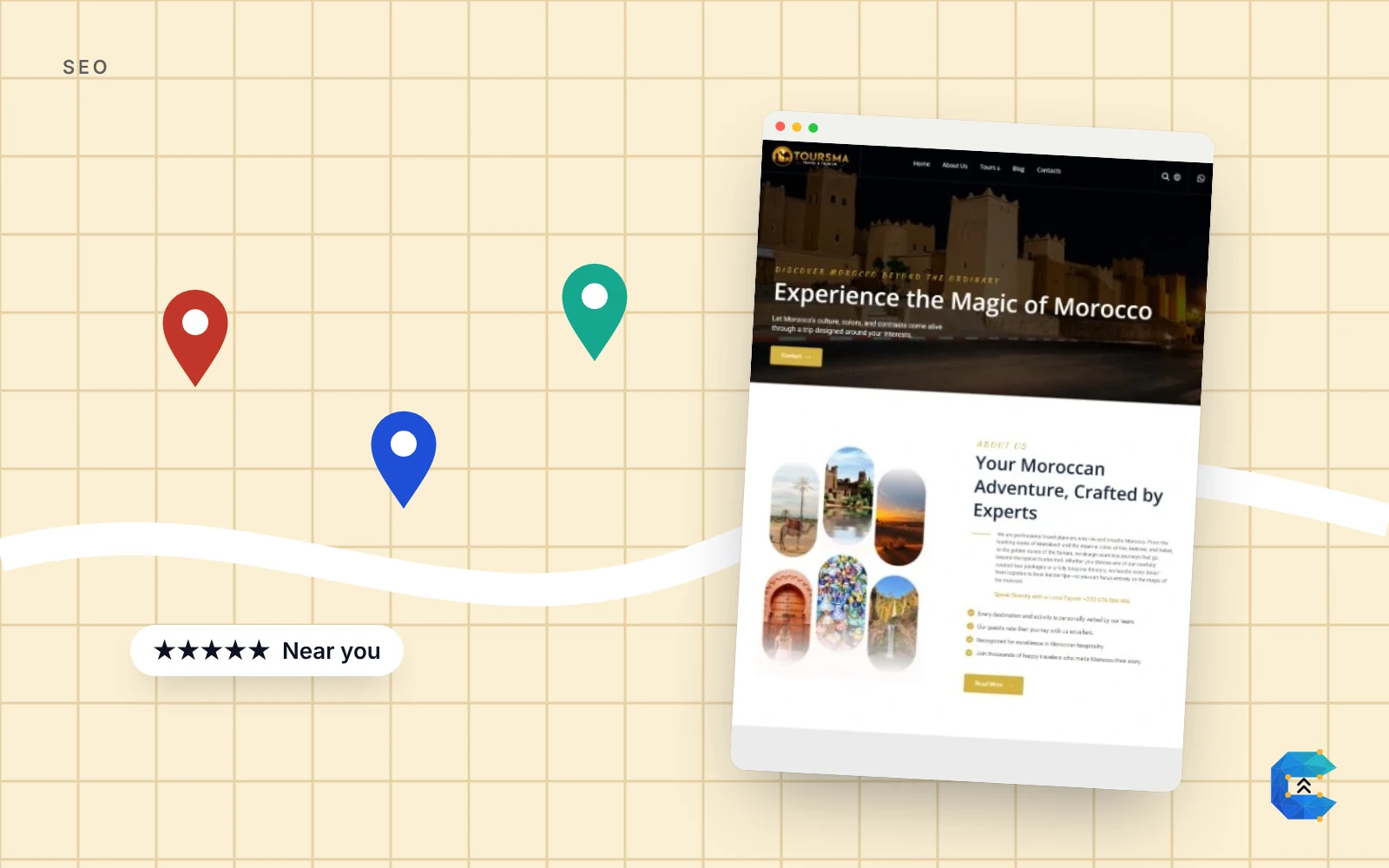
Local SEO, the proximity engine
For a physical business or a service rooted in a city, local SEO multiplies relevance. People don't just want an answer — they want one near them, credible and easy to act on.
1. Google Business Profile, done properly
- Relevant primary and secondary categories
- A clear description with long-tail keywords
- Fresh, high-resolution photos (team, interior, products)
- Weekly posts (offers, events)
- A routine for collecting and answering reviews
Your profile is not a one-off task but a continuous flow. Every new photo and every answered review signals freshness.
2. NAP consistency and local citations
Name, address and phone must be identical, letter for letter, across credible directories. Inconsistencies create noise and reduce the search engine's trust.
- Yellow pages
- Chambers of commerce
- Industry directories
- Regional portals
3. A local site structure
Create pages per city and service, with content that goes beyond repeated keywords: local client stories, regional partners, specific FAQs.
4. Content for micro-intents
- Opening hours
- Availability of a specific product
- Local express delivery
- In-store events or workshops
Each micro-intent can become a section that answers directly in search results.
5. Reviews as a conversation engine
A review is not only social proof: it enriches the vocabulary search engines associate with your offer.
“Answering a negative review quickly is as visible as getting a positive one.”
6. Local structured data
Add schema.org LocalBusiness, FAQ and Event markup if you run activities. It improves your chances of appearing as a rich result.
7. Tracking and iteration
- Position in the local pack
- Profile clicks vs impressions
- Click-to-call rate on mobile
- Local pages → contact form journey
Conclusion
Local SEO is not a side topic: done well, it is one of the fastest-returning levers. Start simple, measure, standardise.
Up next
How social media shapes your business
View